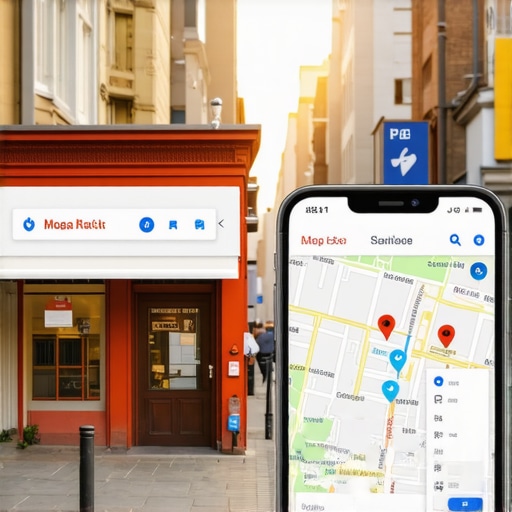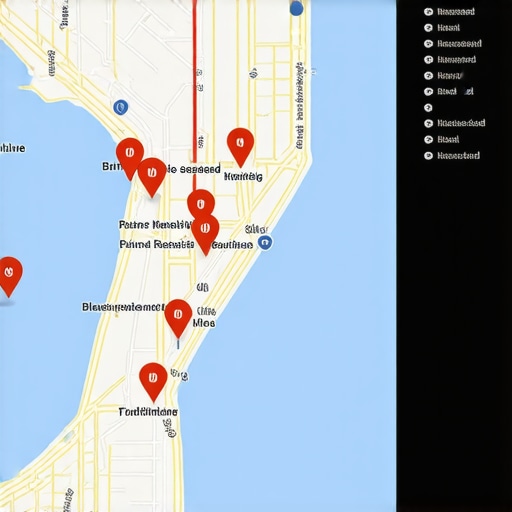
I remember the exact moment I realized I was completely invisible on Google Maps. My small business had been operating for years, yet every time someone searched for my services locally, I was nowhere to be found. Frustration grew as competitors with seemingly less quality overtook my rankings. It was a lightbulb moment: I needed to understand how to improve my Map Pack rankings. Since then, I’ve dived deep into the techniques that actually make a difference, and I’m here to share my experience so you won’t have to stumble blindly like I did.
Why Local Map Rankings Can Make or Break Your Business
In today’s hyper-connected world, local search visibility isn’t just a bonus; it’s a necessity. According to Google, 28% of local searches result in a purchase within 24 hours (Source: Think with Google). If your business isn’t showing up prominently on Google Maps, you’re essentially invisible to a significant chunk of potential customers. I learned this the hard way, pouring time and resources into traditional SEO without realizing that local map rankings have unique ranking signals that demand specific strategies. Understanding this distinction is the first step toward dominating your local scene.
Are You Overestimating the Power of Basic Optimization?
Early on, I made the mistake of thinking that simply adding my business to Google My Business and filling out some basic info would cut it. Spoiler: it doesn’t. Basic listing optimization is like putting a sign in your window; it’s necessary but not sufficient. Failing to leverage proven techniques such as local keyword optimization, review management, and strategic citation building can leave your listing buried. Recognizing this was my first breakthrough. If you’re tired of being overshadowed by competitors, it might be time to revisit and elevate your Map Pack strategy. Curious about how to get started? Check out this guide on local SEO boosts for detailed insights.
So, have you faced the challenge of getting your business to appear at the top of Google Maps? If so, you’re not alone—and the good news is, effective strategies exist. In the following sections, I’ll walk you through my step-by-step journey to improve my rankings, backed by proven tactics and real-world results. Ready to move from invisible to unstoppable? Let’s dive into how you can do the same.
,
Secure Your Spot with a Complete Profile
Start by claiming your Google My Business listing if you haven’t already. Fill out all the essential information; an incomplete profile is like a storefront with a closed sign. Use consistent NAP (Name, Address, Phone number) details across all platforms to boost credibility. I once neglected this and saw my competitors leapfrog ahead simply because their info matched everywhere. To reinforce your presence, add high-quality photos that showcase your services—Google favors listings with visuals that give users confidence.
Optimize for Local Keywords Effectively
Identify keywords your local customers use. Incorporate them naturally into your business description, services, and posts. I experimented with keywords like “best nearby coffee shop” in my industry, which helped me appear in more relevant searches. Use tools like Google Keyword Planner or local SEO tools to discover high-volume phrases specific to your area. Remember, the goal is to match search intent—don’t just stuff keywords, make sure they fit naturally into your content.
Collect and Manage Customer Reviews
Reviews are social proof that influence rankings heavily. Actively encourage satisfied customers to leave feedback—politely, of course. I sent follow-up emails thanking customers and gently reminding them to review my business. Responding to reviews, especially negative ones, demonstrates your engagement and professionalism. Google prioritizes active, well-reviewed listings. Keep this in mind: a business with 50 five-star reviews will outrank one with just a handful of mixed feedback.
Build Local Citations Strategically
Citations are mentions of your business across websites, local directories, and social platforms. Consistency is key. I used a citation management tool to ensure my information was uniform everywhere. Focus on high-authority directories relevant to your niche. For example, if you’re a restaurant, Yelp and TripAdvisor matter more. Variations in your info can confuse Google, so double-check each citation for accuracy.
Leverage Mappack Service Assistance
Sometimes, organic efforts need a push. Utilizing services like maps boosting services can accelerate your ranking improvements. I tested a reputable map pack service that helped me climb from obscurity to a prominent position within weeks. These services often employ proven strategies—such as citation optimization, review generation, and local link building—that supplement your efforts effectively.
Maintain Consistent Posting and Engagement
Regularly update your Google My Business profile with posts announcing promotions, new products, or events. These signals tell Google your business is active and relevant. I made it a weekly routine to post and monitor messages. This engagement not only improves visibility but also builds trust with potential customers. Remember, local SEO isn’t a set-it-and-forget-it game; consistency leads to sustained improvements.
Track Your Progress and Adjust Accordingly
Use tools like Google Insights and third-party SEO trackers to monitor your rankings and traffic. If certain keywords aren’t performing, tweak your descriptions or focus on other phrases. I kept a simple spreadsheet documenting changes and results, which helped me identify what moved the needle most. Continual optimization ensures your efforts stay aligned with changing algorithms and local search trends.
Many local businesses jump into SEO map service or map boosting strategies with assumptions that can be counterproductive. One widespread misconception is that simply increasing reviews or citations guarantees higher rankings. While social proof and consistency help, algorithms like Google’s use complex, nuanced signals that often get oversimplified. For example, some believe that building hundreds of backlinks or aggressively boosting reviews will swiftly elevate their position; however, this can lead to penalties or a temporary spike followed by a sharp drop. Effective local SEO requires a delicate balance and understanding of the subtle ranking factors that Google prioritizes, such as relevance, proximity, and authority. In my experience, companies that focus solely on external tactics without optimizing their on-page signals, like keyword-rich descriptions and user engagement, often see limited long-term success. A critical mistake is overlooking the importance of local content and constant profile optimization, which are essential for sustained growth on maps and local pack results. To truly unlock superior rankings, consider holistic strategies combining citation accuracy, engaged review management, and targeted content. Want to dive deeper? Check out this comprehensive guide for proven approaches that go beyond the myths. One advanced question many ask is: How do Google’s local ranking signals weigh different factors? According to Moz’s Local Search Ranking Factors survey, relevance and proximity hold the most weight, but reputation factors like reviews and citations can significantly influence results, especially in competitive markets. Recognizing and leveraging these nuances will give you the edge over competitors relying on basic or misinformed tactics. Remember, successful local SEO isn’t about quick fixes but mastering a strategic, multi-layered approach. Have you ever fallen into this trap? Let me know in the comments, and I can help clarify the best practices for your niche.
Keep Your Rankings Stable with Consistent Maintenance
Once you’ve established a solid presence on Google Maps, maintaining those rankings is crucial. The landscape of local SEO is dynamic, with factors like algorithm updates and increased competition constantly shifting the playing field. To stay ahead, schedule regular audits of your Map Pack performance using tools like Google Search Console and local SEO analysis tools. These allow you to identify fluctuations early and adjust your strategies proactively. Remember, complacency can lead to ranking drops; ongoing maintenance ensures your visibility remains top-notch over months and years.
Leverage Proven Software to Simplify Management
Managing multiple listings and monitoring reviews can become overwhelming without the right tools. I personally rely on BrightLocal and Whitespark for citation management, review tracking, and local rank tracking. These platforms automate most of the routine tasks and provide actionable insights that save you countless hours. For instance, BrightLocal’s citation cleanup feature helps eliminate inconsistent NAP information, which is essential because even minor discrepancies can harm your rankings. As local SEO continues evolving, integrating such software is a smart move to keep your efforts streamlined and effective.
Stay Ahead with Continuous Optimization and Updates
Successful map ranking isn’t a one-and-done effort. Google’s algorithms reward freshness and relevance. Regularly update your Google My Business profile with new photos, posts, and offers—this signals activity and engagement to Google. Additionally, revisit your keyword strategy based on current trends and local market shifts. Tools like map pack services can give your listing an extra boost during critical periods. Staying active and making incremental improvements over time ensures your rankings don’t just hold but improve—even amidst competition and algorithm changes.
Predictions for the Future of Map Optimization
Looking ahead, automation and AI-driven insights will play an increasingly vital role. Businesses that utilize data-driven tools to adapt quickly will dominate local search results. For example, platforms incorporating real-time review sentiment analysis can respond more effectively to customer feedback and influence their reputation positively. To capitalize on this, consider adopting advanced reputation management tools and engaging in proactive review generation techniques. Implementing these strategies now prepares your business for the upcoming shifts in local SEO dynamics and ensures your visibility stays resilient.
How do I maintain my Map Pack rankings over time?
The key is consistent monitoring, updating, and leveraging technology. Regularly audit your citations and reviews, use management software to streamline tasks, and stay informed about algorithm changes through reputable sources like Google Maps ranking strategies. I recommend trying out automation tools and scheduling routine profile updates. Doing so will help you stay agile and prevent ranking erosion, ensuring your local SEO efforts yield long-term results. Remember, persistence and smart management are your best allies in maintaining top positions.
What I Wish I Knew Before Overhauling My Map Strategy
One of the biggest lightbulb moments for me was realizing that local SEO isn’t a set-it-and-forget-it task. I was initially tempted to focus solely on reviews and citations, but I overlooked the importance of on-page signals like local keywords and content relevance. This holistic approach made all the difference, and I wish I had started here from the beginning.
Pay Attention to the Algorithm’s Subtle Cues
Google’s local ranking factors are more nuanced than I thought. Things like profile activity, local content engagement, and even the timing of updates can influence visibility. Recognizing these often-overlooked signals allowed me to fine-tune my efforts for sustained success.
My Go-To Tools That Keep My Map Rankings Sharp
Tools like Map Pack Assistance and BrightLocal have become indispensable in my local SEO toolkit. They streamline citation management, review tracking, and rank monitoring, letting me focus on strategy rather than being bogged down in data analysis. Trusting these platforms has significantly improved my efficiency and results.
Believe in Consistency, Even When Results Seem Slow
One important lesson I learned is that local map rankings require patience and ongoing effort. I made the mistake of thinking quick wins were the norm, but real, lasting improvements came from sustained, consistent activity—regular updates, review responses, and content refreshes. Staying committed, even during slow periods, proved to be the key to long-term dominance.
Find Your Unique Edge in a Crowded Market
Competitors often rely on the same tactics, but I discovered that adding genuine, high-quality local content and engaging directly with my community set me apart. Sharing local stories, participating in community events online, and highlighting customer success stories boosted my relevance and trust signals. Authenticity truly pays off in local SEO.
Where to Advance After Mastering the Basics
If you’re ready to push your map rankings further, exploring advanced strategies like localized content marketing or leveraging AI-driven review sentiment analysis can give you a competitive edge. Expert map boosting services offer tailored solutions to help businesses scale their local visibility. Remember, the journey to the top is ongoing, and embracing innovation keeps you ahead.