
I remember the exact moment it hit me—walking into my storefront on a bustling Saturday, only to realize that almost no one could find us online. Despite having a shiny new website and all the right keywords, our Google Maps listing was buried, invisible to the very customers I was eager to serve. Talk about a lightbulb moment! It dawned on me that despite all my efforts in local SEO, my business was practically hiding in plain sight, and this realization changed everything.
The Hidden Business Dilemma
If you’re like I was, you’ve probably poured hours into your website, social media, and other digital marketing channels—yet your Google Maps profile remains stubbornly low on the local search results. This isn’t just annoying; it’s a direct hit to your bottom line. In fact, studies show that over 30% of all mobile searches are related to location, and nearly 78% of local mobile searches result in an offline purchase (source: Google). So why do so many local businesses fall into this invisibility trap?
Chances are, it’s because the mysterious algorithms of Google Maps can be tricky to navigate. Trust me, early on I made the mistake of ignoring key ranking factors, thinking that optimizing my website alone was enough. Spoiler alert: it’s not. Local map rankings involve a complex mix of signals—think reviews, citations, consistency of NAP info, and more—that influence your visibility. If your profile isn’t optimized with these in mind, your prospects might never discover your business, even when they’re searching for your exact services.
Today, I’m here to share the knowledge I’ve gained—mainly, the top six map ranking fixes that made a real difference for me in 2026. These aren’t magic tricks, but proven strategies that have helped countless businesses stand out in local searches. Ready to stop hiding and start thriving? Let’s dive into how you can boost your map rankings effectively.
Ensure NAP Consistency Across All Listings
Start by auditing your business name, address, and phone number (NAP) everywhere online. In one instance, I corrected inconsistent NAP details across directories, which immediately improved my local relevance signals. Use a tool like Moz Local or BrightLocal to identify discrepancies. Consistent NAP information signals to Google that your business is trustworthy and stable, boosting your map position.
Leverage Local Reviews Strategically
Actively seek reviews from satisfied customers; I personally sent follow-up emails asking for feedback after service, which resulted in a surge of positive reviews. Incorporate relevant keywords naturally into review responses. Reviews serve as social proof and influence your rankings significantly. Aim for a steady flow of reviews over time, not just one-off spikes.
Optimize Your Google My Business Profile
Fill out every section meticulously—business categories, hours, services, attributes. When I added specific categories for my niche, my visibility increased in targeted searches. Use high-quality images (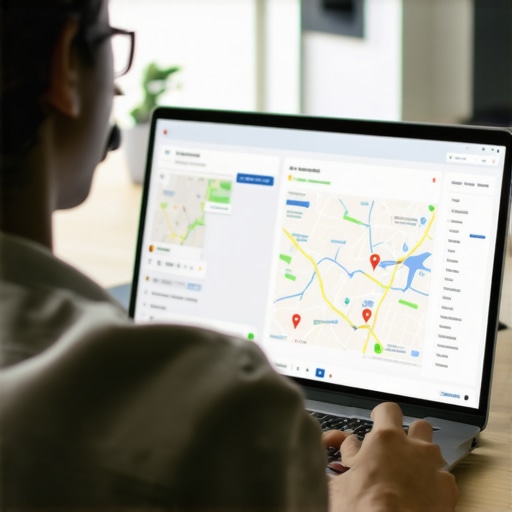 ) to showcase your offerings. Ensure your primary category accurately reflects your core business to attract the right local searches. Regularly update your profile with new photos and posts for ongoing engagement.
Build Local Citations and Signals
Create citations on relevant local directories—Yelp, TripAdvisor, industry-specific sites. I focused on building citations with the same consistent NAP data, which reinforced my local authority. Use tools like map pack service to identify high-impact citation opportunities. This enhances Google’s trust in your business’s local relevance.
Engage with Local Content and Backlinks
Create blog content about local events or landmarks, which attracts links from local sites. I collaborated with nearby businesses for mutually beneficial backlinks, which elevated my local ranking. Focus on earning backlinks from authoritative local sources—chamber of commerce, local blogs, community centers. These signals help Google understand your business’s true local footprint.
Utilize Advanced Local SEO Tactics
Implement schema markup for local business—this helps Google understand your data better. Regularly monitor your performance metrics via Google Search Console and local ranking tools. Adjust your strategies based on data, focusing on what improves your visibility. For comprehensive guidance, consider consulting local SEO boost techniques tailored for map rankings.
Many local businesses believe that simply purchasing a map pack service guarantees top rankings, but this is a dangerous misconception. While these services can be beneficial, relying solely on them without understanding their nuances often leads to subpar results or even penalties. In truth, effective local SEO requires a holistic approach that combines proven strategies like optimizing your NAP consistency, actively acquiring reviews, and leveraging advanced tactics such as schema markup. Overconfidence in quick fixes overlooks the complex, algorithm-driven nature of Google Maps rankings, which are influenced by myriad signals—from citations to user engagement metrics—that no single service can manipulate alone.
It’s a common trap to think that map boosting services are a magic button for visibility, but the reality is far more nuanced. Poorly executed map pack strategies can also backfire, causing your profile to be flagged or shadowbanned. For example, excessive or unnatural citation building may trigger spam filters, leading to missed opportunities rather than improved rankings. Instead, focus on integrating a comprehensive, white-hat approach that aligns with Google’s guidelines, such as those outlined in our detailed guide on local SEO boost techniques.
Ever wondered why some businesses see quick gains while others plateau? The answer often lies in understanding the ‘hidden’ factors influencing your map rankings. Algorithms are detecting subtle signals—like review diversity, consistent NAP data, and engagement rates—that cannot be bypassed with shortcuts. A comprehensive strategy also involves monitoring your analytics regularly to identify areas for improvement and avoid costly mistakes. To learn more about effective techniques, visit our detailed page on proven strategies to elevate Google Maps rankings.
A crucial mistake to avoid is neglecting the broader context of local SEO. Relying too heavily on services that promise instant results may create a temporary bump but won’t foster sustainable growth. Instead, invest in building local authority through content, community engagement, and authoritative backlinks. These efforts, combined with strategic map optimization, build a resilient presence that withstands algorithm updates and competitive pressures.
Remember, the key to sustainable success is understanding the nuanced interplay of factors that determine your map ranking. Don’t be swayed by myths or shortcuts; instead, focus on actionable, proven tactics. Want a deeper dive into effective map rankings? Check out our expert guide on local SEO boost techniques and start transforming your visibility today. Have you ever fallen into this trap? Let me know in the comments.
How do I maintain my local SEO momentum over time?
Consistency is key when it comes to keeping your Google Maps rankings high. I rely heavily on a combination of advanced tools and disciplined routines to ensure my efforts continue to pay off. One essential tool I use is BrightLocal, which allows me to track NAP consistency and monitor review profiles effortlessly. Regular audits help me catch discrepancies early before they impact my rankings. Additionally, I use SEMrush’s local SEO toolkit to analyze citation gaps and track keyword shifts in my niche, ensuring I stay ahead of local competitors.
Beyond software, I establish a routine to respond to reviews daily, fostering customer engagement and boosting your profile’s activity signal. I also schedule biweekly profile updates, adding new photos and posting relevant content about local events or promotions. This not only signals activity to Google but also keeps your profile fresh and engaging for potential customers.
Implementing schema markup with local business structured data has been a game changer. According to Google’s developer documentation, proper schema use can improve how your business info appears in local search results, making you more attractive to potential clients (Google Structured Data Guide). Regularly updating this data aligns your online presence with current operations and offerings, maintaining local relevance.
Looking ahead, I believe automation will play an increasingly vital role. Integrating systems like Zapier can automate review follow-ups or schedule content posts, reducing manual effort. As Google continues refining its algorithm, staying proactive with maintenance tools and routines will help solidify your local SEO presence for the long term.
Elevate your map rankings with this maintenance tip
If you haven’t already, start integrating schema markup for your local business. It’s a small step that delivers significant visibility benefits and aligns with future search trends predicting enhanced structured data usage. Experiment with adding FAQ schemas about your services or local neighborhood details to stand out even more. For more strategies, explore our comprehensive local SEO guide or contact an expert for tailored advice. Don’t wait for rankings to slip—take proactive steps today to safeguard and boost your visibility.
What No One Tells You About Google Maps Success
One of the most eye-opening lessons I learned was that even perfect website SEO can’t make up for a weak Google My Business profile. The real game-changer was understanding how each small tweak—like consistent NAP data or strategic review responses—contributes exponentially to my map rankings. It’s these nuanced details that often get overlooked but hold the key to unlocking higher visibility.
Why Overconfidence in Quick Fixes Can Backfire
I once poured money into a shiny map pack service, expecting instant results. Instead, I got short-term boosts followed by ranking drops. This taught me that relying solely on shortcuts without a comprehensive approach can do more harm than good. True success demands a disciplined, ongoing strategy rooted in proven tactics, not gimmicks.
Listening to Your Local Community Matters More Than You Think
Engaging with local customers through content and reviews not only strengthens loyalty but signals to Google that your business is a vital part of the community. I found that creating localized content about neighborhood events or landmarks, paired with earning authentic backlinks, significantly improved my rankings—a lesson that authenticity beats spammy tactics every time.
Curated Resources That Changed My Approach
- BrightLocal: This tool became my go-to for maintaining citation consistency and tracking reviews, ensuring I stayed ahead of potential inconsistencies that could hurt my rankings.
- Google’s Structured Data Documentation: Learning how to implement schema markup properly helped my business stand out in local searches, making my profile more attractive to both Google and customers.
- Local SEO Guides from Moz and Search Engine Journal: These sources provided insights into evolving best practices that kept my strategies current and effective.
- My Community Chamber’s Resources: Local organizations often offer free or low-cost guides on local marketing—great for deepening community ties and improving local signals.
Keep Pushing Forward: Your Map Victory Awaits
Mastering Google Maps rankings isn’t about quick wins; it’s about sustained effort and learning from every step. Every optimization, review, and community engagement adds value to your local presence and builds resilience against algorithm shifts. The road to local prominence may be challenging, but with dedication and smart tactics, your business can dominate the map pack like never before. Are you ready to take the next step in elevating your local SEO game? Share your thoughts or experiences—I’d love to hear what strategies have worked for you or what’s been a challenge on your journey.


Reading through this post really resonated with me, especially the part about neglecting NAP consistency and its impact on search rankings. I once overlooked updating my business details across directories, and it was frustrating to see my visibility tank despite having a solid website. Once I organized my citations and ensured uniform NAP info everywhere, I saw a noticeable climb in my local search presence. It’s interesting how these small details can make such a big difference. I’ve also started focusing more on gathering genuine reviews from happy customers; response management and regular updates seem to really reinforce my profile’s relevance.
What strategies have other local business owners found most effective in maintaining momentum once initial SEO improvements are achieved? Do you find that routine audits or automation tools, like Zapier, genuinely save time and keep the process sustainable? I’m always looking for ways to stay consistent without it becoming overwhelming. Would love to hear your thoughts or experiences on balancing ongoing efforts with day-to-day operations.
This post hits the nail on the head about the importance of a holistic approach to local SEO, especially for Google Maps visibility. What really stood out to me was the emphasis on regular audits and maintaining NAP consistency—something I’ve learned the hard way. When I initially focused solely on my website’s SEO, I found that my Google My Business profile was barely showing up in local searches, even though I thought I had everything optimized. It wasn’t until I started using tools like BrightLocal to constantly monitor my listings that I saw real improvements. Engaging with reviews and adding fresh content regularly also made a noticeable difference in maintaining those rankings.
I’ve found that automating some of these tasks, especially review responses and posting updates via scheduling tools, helps me stay consistent without feeling overwhelmed. It makes me wonder, for other small business owners, what’s been their biggest challenge in staying disciplined with local SEO? And do you think automation might risk reducing the personal touch that consumers increasingly value? Would love to hear different perspectives on balancing automation with authentic engagement.
I totally relate to that moment of realization—finding out your business is practically invisible even with a great website can be a real eye-opener. In my experience, one of the often overlooked aspects is the consistency of your NAP data across all platforms. It’s such a simple detail but making sure it’s uniform everywhere truly helps Google recognize your business as trustworthy. Also, I’ve seen significant improvements by actively encouraging reviews, especially when responses are personalized and include relevant keywords naturally. Has anyone here experimented with adding local schema markup? I’ve heard it can give a subtle boost to visibility, but I’d love to hear if anyone’s had success with it.
In terms of maintaining momentum, I’ve found that regular audits via tools like BrightLocal or Moz Local make a huge difference. Do others feel that routine checkups can be enough, or is ongoing manual effort necessary? I wonder also about the balance between automation and genuine engagement—what’s worked or not for you all? Would love to hear your insights on keeping local SEO sustainable over time without feeling overwhelmed.