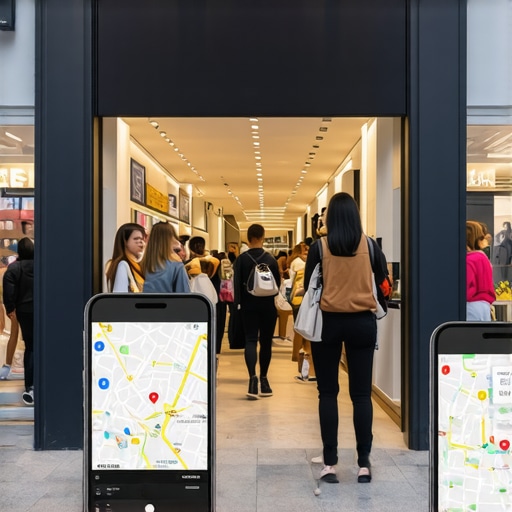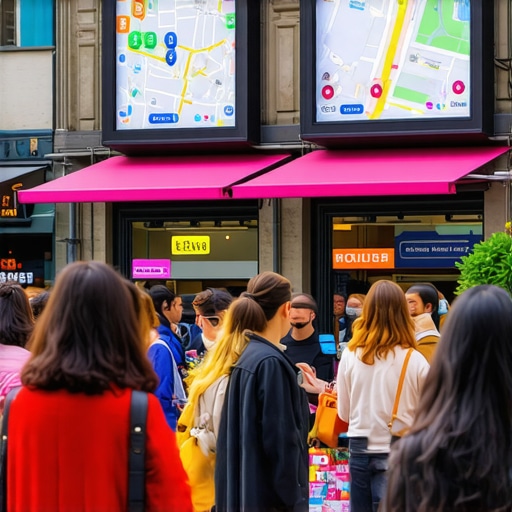
I remember the first time I truly understood the importance of local SEO for small businesses. It was a chilly morning, and I was standing outside a nearby shop, watching potential customers walk right past without noticing its existence. Despite having a vibrant storefront and great products, the store was invisible online—lost in the vast digital landscape. That lightbulb moment hit me hard: if local SEO isn’t optimized, brick-and-mortar stores become shadowed in their own neighborhoods.
Fast forward a bit, and I saw firsthand how small tweaks in local SEO strategies could dramatically improve foot traffic. It’s no secret that local search has become a critical traffic driver—statistics show that 78% of local mobile searches result in an offline purchase within 24 hours. That’s a huge chunk of potential customers just waiting to find your business.
But here’s the thing—many businesses, even those aware of this trend, hesitate to dive deep into specific local SEO tactics. They often fear it’s complicated, expensive, or simply not effective enough to justify the effort. I get it. I’ve made my fair share of mistakes early on, like overinvesting in generic SEO efforts that didn’t translate to physical visits. One mistake that nearly sunk my strategy was neglecting the importance of map pack visibility. Without proper map ranking, my local presence was essentially invisible to people searching nearby.
That’s why I want to share a proven approach I’ve refined over the years—5 actionable tweaks to boost your local SEO, helping you attract 30% more in-store visits by 2026. These aren’t guesses or trends; they are strategies rooted in real-world results and supported by expert insights. You can find more detailed tactics and case studies in our comprehensive guide on map rankings and local SEO techniques, like those detailed [here](https://mapsboostingservice.com/local-seo-boost-techniques-for-better-map-rankings).
Are you tired of watching potential customers walk right past your storefront because your local SEO isn’t where it needs to be? If so, keep reading. We’re about to break down the practical steps that can elevate your visibility and turn digital searches into real-world foot traffic. The groundwork is laid; now let’s equip you with the exact tweaks that will make your local presence unmissable in 2026 and beyond.
Optimize Your Google Business Profile
Start by claiming and verifying your Google My Business (GMB) listing if you haven’t already. Ensure all information is accurate, complete, and up-to-date. Use consistent NAP (Name, Address, Phone Number) details across your website and directories. Upload high-quality, relevant images that showcase your business to increase engagement. Carefully craft your business description, highlighting keywords naturally without keyword stuffing. For a visual boost, consider integrating a professional photo of your storefront or team.
Next, leverage the power of local keywords by incorporating them into your GMB categories and description. Think about what your potential customers are searching for and include those terms. This approach makes your profile more relevant in local search results.
Build Trusted Local Citations and Backlinks
Consistency is key. List your business in reputable local directories like Yelp, Bing Places, and industry-specific platforms. Ensure your details match your GMB profile exactly to avoid confusing algorithms. Anchor your citations with rich descriptions that include local keywords to boost relevance. For backlinks, focus on acquiring links from locally trusted sources such as community blogs, chambers of commerce, and local sponsorships. These act like endorsements, signaling to map services that your business is authoritative and trusted in the community.
Engage Customers with Reviews and Photos
Encourage satisfied customers to leave reviews on your GMB profile. Respond to reviews promptly, showing appreciation or addressing concerns transparently. Positive reviews are a significant ranking factor—in fact, they act like local word-of-mouth recommendations that Google and other map algorithms trust. To make reviews more compelling, showcase customer photos and testimonials on your profile. You might even run a friendly contest, offering discounts for reviews, which can generate fresh content and improve your profile’s visibility.
Utilize Local Content and Promotions
Create content that resonates with your local audience. Write blog posts or update your website with news about local events, partnerships, or community efforts. Use geographic keywords naturally within your content. Additionally, promote special local offers or events through your website and social media channels to foster community engagement. These activities signal to map algorithms that your business is active locally, which can help improve your rankings.
Monitor and Adjust Your Strategy
Use tools like Google Analytics and Local SEO dashboards to track your progress. Regularly review your map ranking positions and identify what tactics yield the best results. Adjust your profile, citations, reviews, and content based on data insights. For complex scenarios, consider consulting specialized services—like those described at map boosting services—to accelerate your local SEO growth and stay ahead of competitors.
Many small business owners believe that simply purchasing a map pack service or relying on basic local SEO tactics guarantees top rankings and increased foot traffic, but in reality, this understanding misses crucial nuances. One common myth is that map pack rankings are solely driven by the number of reviews or citations. While these factors matter, experts like those at local SEO specialists emphasize the importance of signals like mobile user engagement, proximity adjustments, and authoritative backlink profiles, which are often overlooked by beginners.
**Avoid Falling Into Oversimplified Strategies**: Many assume that boosting map rankings is about quick fixes—buying reviews or bulk citations. However, Google’s algorithms have evolved to prioritize real-world signals, such as user interactions, accurate business data, and locally relevant content. Engaging in unethical practices or ignoring these signals can lead to penalties, especially as updates become more sophisticated, such as the 2026 signals outlined by industry forecasts. Over-optimizing in one area while neglecting others is a trap that can backfire.
**Local Signal Saturation Can Mislead**: Another misconception is that increasing citations automatically boosts your rankings. In fact, Google’s algorithms look for a natural distribution of signals; artificially inflated citations from low-quality directories can be discouraged and may even hurt your ranking. Advanced users understand the importance of a balanced approach—focusing on authoritative backlinks, localized content, and technical health—factors reviewed comprehensively in guides like map ranking strategies for 2026.
**The Role of User Engagement and Mobile Signals** is often underestimated. A business that invests solely in backlinks without optimizing for mobile usability or interaction signals may see stagnation or decline in rankings. For instance, Google’s mobile-first indexing means that your local signals must be equally strong on mobile devices. This advanced nuance is critical for staying ahead as the landscape shifts—something detailed at latest signal quality tests.
**Beware of the Preference for Ethical, Widespread Strategies**: Many agencies push aggressive link-building or citation schemes, promising quick results. This approach, often marketed as a “maps boosting service,” might offer short-term gains but risks long-term penalties, especially with the increased scrutiny from search engines. The best path involves a holistic, trustworthy approach—combining on-page optimization, authoritative local backlinks, review management, and content marketing—that aligns with Google’s evolving signals.
Have you ever fallen into this trap? Let me know in the comments. Remember, sustainable local SEO success hinges on understanding these nuanced signals and avoiding shortcuts that could damage your credibility and visibility in the long run.Maintaining your map pack boost and local SEO rankings over time requires a strategic combination of tools, consistent effort, and staying ahead of evolving algorithms. One essential tool I personally rely on is BrightLocal, which offers comprehensive tracking of local rankings, reviews, and citation consistency. It helps me monitor fluctuations daily, allowing immediate adjustments before minor issues become ranking disasters. Additionally, Moz Local ensures your business information remains consistent across multiple directories, preventing confusion that could cripple your local signals. To automate review management, I use GatherUp, which collects, responds to, and nurtures customer feedback effortlessly, keeping engagement high and signals positive.
Thinking long-term, investing in a dedicated Local SEO dashboard, like Whitespark’s Local Rank Tracker, gives you a bird’s-eye view of your progress and highlights areas needing attention—be it citation accuracy or review volume. Regularly updating your Google Business Profile with fresh photos, current keywords, and local-specific content is crucial; I recommend using Canva Pro for creating appealing visuals quickly.
As the local SEO landscape evolves—especially with upcoming updates like those predicted for 2026—staying adaptable is key. According to industry experts at Maps Boosting Service, combining these tools with strategic adjustments maximizes resilience and maintains top rankings.
For ongoing success, I suggest dedicating weekly time to review analytics, refresh your citations, and respond to customer feedback. Don’t forget to revisit your keyword strategies; local search trends shift constantly, and staying updated can give you a significant edge. Incorporate structured data markup on your website with tools like Google’s Rich Results Test to enhance your visibility further.
An advanced tactic I highly recommend is leveraging Google’s new local signal features by running targeted local content campaigns via your website — these reinforce your relevance and authority. Try crafting a compelling blog post or community update monthly and promote it using your social channels. This proactive approach can keep you ahead as algorithms like those outlined at Map Ranking Guides suggest.
Keep in mind, maintaining excellent map ranking results isn’t a set-it-and-forget-it process. It’s about continuous refinement, trustworthy tools, and strategic responsiveness. Ready to take your local SEO to the next level? Implement one advanced tactic today, such as optimizing your website’s local schema markup, and see how your rankings stabilize and grow. Need tailored advice? Contact us anytime to discuss your unique business needs.
What I Wish I Knew About Real Map Rankings
One lightbulb moment I had was realizing that focusing solely on citations and reviews isn’t enough—Google’s algorithm is now smarter, prioritizing user engagement, local clues, and authority signals that go beyond surface-level fixes. I used to obsess over content quantity but learned that quality, relevance, and true community connections drive lasting results.
The Hidden Power of Genuine Community Engagement
Engaging authentically with your local community—through events, partnerships, and social media—builds trust and creates invaluable local signals that search engines value highly. It’s easy to overlook this in favor of technical tweaks, but in my experience, genuine local presence beats shortcuts every time.
Tools Every Local SEO Warrior Should Have
- BrightLocal: For tracking rankings and review consistency—trusted because it provides clear insights and actionable data.
- Moz Local: Ensures your business info remains synchronized across directories, reducing confusion and boosting trustworthiness.
- GatherUp: Simplifies review collection and management—positive reviews fuel your reputation and ranking power.
- Whitespark Local Rank Tracker: Offers comprehensive visibility into your local search progress, helping you adjust tactics proactively.
Fuel Your Drive with Passion and Persistence
Achieving local SEO greatness isn’t about quick wins; it’s about consistent effort, listening to your audience, and adapting to evolving signals—like those outlined during the 2026 changes. Remember, your local presence is an ongoing journey. Stay committed, leverage trusted tools, and keep fostering real community relationships. Your business’s visibility depends on it. Are you ready to take the next step and transform your local marketing strategy? Let’s start a conversation below and share your experiences or questions—your journey to local dominance begins now.