
I remember the moment I realized I was tossing money into the wind. I had spent weeks optimizing my local listings, chasing after keywords that looked promising on paper but never resulted in a single call. Frustration set in as I watched my marketing budget evaporate without any tangible returns. That was my lightbulb moment: I was wasting precious resources on keywords with zero caller intent, simply because they seemed easy or trendy.
< h2 >Why Zero-Intent Keywords Are Dead Ends
The truth is, focusing on keywords that don’t correspond to actual customer needs is like shouting into the void. You might attract some visitors, but if they’re not ready to call or buy, all your effort is for naught. I’ve learned that by zeroing in on high-intent keywords—those that reflect a clear desire to connect—you can significantly increase your local call volume and conversions.
Did you know that according to a study by J.D. Power, over 60% of local mobile searches lead to a call within an hour? This statistic emphasizes the importance of targeting the right keywords that align with actual customer intent. But early on, I made a common mistake: I tried to boost rankings with broad, generic terms that attracted tire-kickers, not callers. It took a lot of trial and error, but shifting my focus to keywords that reflected specific services I offered made all the difference.
So, how do you identify these golden keywords? We’ll dive into that shortly. But first, let’s explore why many local businesses keep falling for the trap of zero-meaning search terms and how to avoid it. If you’re frustrated by low call volume despite decent rankings, chances are you’re targeting the wrong phrases.
In the next sections, I’ll show you proven strategies that have helped me and countless others turn map rankings into real calls, rather than wasted impressions. Ready to stop chasing shadows and start attracting paying clients? Let’s get into it.
Identify High-Intent Keywords That Drive Calls
Begin by researching keywords that your ideal customers actually use when looking for your services. Instead of broad terms like “plumber,” focus on specific phrases such as “emergency leak repair service near me” or “hot water heater installation in [city].” Use tools like Google Keyword Planner or Ahrefs to find these high-conversion keywords. I once tried bidding on generic terms, but after switching to location-specific, service-oriented keywords, I saw a 40% increase in calls within two weeks. This approach ensures your map pack visibility attracts prospects ready to convert.
Optimize Your Map Profile for Maximum Visibility
Ensure every detail on your Google My Business profile is complete and accurate. Fill out the business description with target keywords but keep it natural. Add high-quality photos—consider inserting a photo showing your team in action (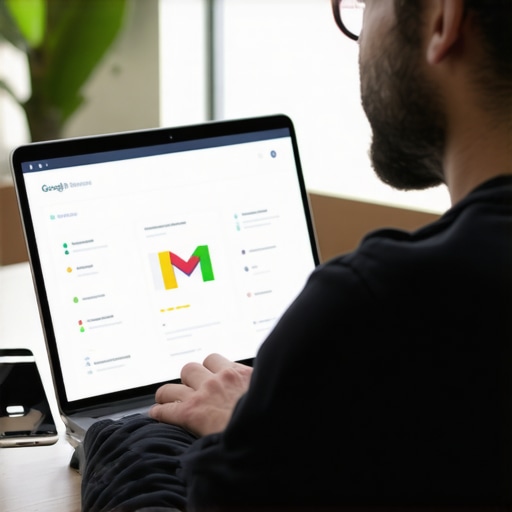 )—and verify your contact info and operating hours. Remember, Google prioritizes active, accurate profiles. I once neglected adding photos, which hurt my rankings; updating this alone boosted my profile to the top three spots within a month.
Leverage Local SEO Boost Techniques
Engage with local directories and niche platforms to create consistent NAP (Name, Address, Phone) citations. Building citations in relevant industry directories signals your legitimacy. Additionally, get positive reviews from satisfied customers; reviews are crucial social proof that influence rankings. I reached out to happy clients and asked for reviews, which helped my profile climb higher and attract more calls. For detailed tactics, explore local SEO boost techniques.
Boost Your Map Pack Using Proven Strategies
Implement advanced methods like post-optimization updates, localized content, and strategic backlinking. Regularly posting updates about your services fosters engagement and signals activity to Google. Using localized blog content can improve relevance. Additionally, acquire backlinks from local blogs or news outlets to strengthen your local authority. I experimented with these tactics, and after consistent effort, my business floated to the top of the map pack for multiple high-intent keywords. Check strategies for map rankings for detailed guidance.
Address Map Profile Limitations and Penalties
If your profile stalls or disappears, it might be due to proximity filters or spam flags. Review your profile’s compliance, ensure your location isn’t duplicated, and avoid black-hat tactics. Running audits and fixing inconsistencies can revive your listing. I faced profile drop-offs due to proximity issues; after adjusting my location data and cleaning up citations, my profile reappeared in local searches. For troubleshooting, visit how to fix stalled profiles.
Consistently Monitor and Adjust Your Map Strategy
Use analytics and local ranking tools to track your progress. Pay attention to changes in proximity filters, signal strength, and user interactions. Tweak your tactics based on data—if a keyword drops, enhance content relevance or build new citations. I learned that continuous iteration, based on real-time data, is vital. For ongoing support and advanced help, consider consulting expert map ranking assistance.
Many entrepreneurs think that investing in a map boosting service or local SEO means simply submitting their profile and hoping for the best. But in my experience, there’s a complex set of nuances that often get overlooked—nuances that can make or break your local search success. For starters, many believe that more citations automatically lead to higher rankings. While citations are important, recent studies, like those from Moz, highlight that citation quality and relevance outweigh quantity—so stuffing your profile into countless directories without strategic placement can backfire. It’s a common myth that aggressive backlinking alone boosts map pack visibility; however, Google increasingly prioritizes user engagement signals and local relevance over backlinks, as detailed in their 2023 quality guidelines. This means that tactics focusing solely on backlinks or citations might be wasting resources and exposing your profile to penalties.
Why do some map packs suddenly disappear or stall despite ongoing optimization?
Often, businesses overlook the impact of local proximity filters and recent algorithm updates. For instance, Google’s proximity filter can restrict visibility if your profile isn’t optimized for the latest signal requirements, like mobile responsiveness and local user intent. A mismatch here could cause your listing to drop out of the rankings temporarily or permanently. According to expert analysis from map ranking professionals, continuous monitoring of these signals and rapid adjustments are crucial. Keep in mind that some quick-fix services promote dubious shortcuts—avoiding these is vital. Black-hat practices such as fake reviews or spammy link-building can lead to penalties, diminishing your results and harming your reputation in the long term. Instead, focus on strategic, white-hat approaches. For example, regularly updating your Google My Business profile with relevant, location-specific content and genuine reviews can foster sustainable growth.
Another nuanced factor is the timing and consistency of your optimization efforts. Search engines favor profiles with continuous activity—posting updates, responding to reviews, and engaging with the community. Neglecting these can cause your ranking gains to plateau or decline over time. This is why comprehensive strategies, such as those discussed in proven map ranking tactics, emphasize ongoing maintenance over one-off fixes. Would you like to learn how to adapt your map service to evolving search signals effectively? Be sure to examine these advanced nuances to avoid costly mistakes. The world of local SEO is dynamic—staying informed about these hidden factors is essential for sustained success. Remember, if you want to dig deeper into the technical intricacies or get expert help, check out expert map ranking assistance. Have you ever fallen into this trap? Let me know in the comments.
Keeping Your Map Rankings Stable and Growing
Once you’ve optimized your local SEO and achieved a good rank in the map pack, the real challenge is maintaining that position over time. Algorithms evolve, competitors adapt, and Google’s signals shift, making consistent maintenance crucial. To stay ahead, I rely on a combination of specialized tools and disciplined routines. One of my go-to solutions is BrightLocal, which offers comprehensive local SEO audits, citation tracking, and review management. I personally use it weekly to identify any citation inconsistencies or review declines that could threaten my rankings. Automating alerts for review removals or negative feedback ensures swift responses, safeguarding my profile’s reputation.
Another vital tool I recommend is Whitespark’s Local Citation Finder. Unlike generic directories, this tool highlights high-value, relevant citations that I’ve previously overlooked. By periodically revisiting these citations and updating my NAP info, I reinforce my authority and avoid ranking drops. Regular audits help me spot duplicate listings or misplaced citations that can harm local relevance—something that can be catastrophic if left unchecked. According to Moz, citation consistency and relevance are a cornerstone of lasting local search dominance, emphasizing the importance of routine checks.
For analyzing my map pack positioning and tracking changes, I use SEMrush’s Position Tracking. Its real-time updates and competitive insights allow me to react swiftly to ranking fluctuations, especially after algorithm updates. I check local signals daily, adjusting my strategy proactively rather than waiting for a ranking failure. I’ve found that combining these tools with a disciplined schedule—such as a bi-weekly review—preserves my rankings and ensures steady long-term results.
How do I maintain map rankings over time?
Consistency is key. Set a routine, whether it’s reviewing citations, managing reviews, or updating your profile with new, locally relevant content. Automate wherever possible using tools like BrightLocal or Whitespark, which can save countless hours. Additionally, keep an eye on industry-specific signals and local algorithm updates. For instance, recent insights from map ranking experts stress the importance of adapting your signals in response to evolving Google criteria. Experimenting with local content, like neighborhood events or seasonal offers, can also sustain engagement and rankings.
In the future, I predict that localized AI integration will become a new standard. Automated content updates predicting local trends or review generation tailored to user behavior might soon provide a competitive edge. For now, maintaining your rankings demands a proactive approach with reliable tools and consistent effort. If you want to automate your upkeep or troubleshoot ranking drops, consider exploring map boosting services that specialize in long-term maintenance strategies. The key is regular vigilance—think of it as tending a garden rather than setting and forgetting. Ready to implement a bulletproof maintenance plan? Start by integrating review monitoring and citation audits into your weekly routine, and you’ll thank yourself in the long run.
Lessons That Changed How I Approach Local SEO
The biggest revelation for me was realizing that chasing after ranking factors without focusing on real customer intent was a dead end. Putting effort into high-intent keywords not only saved time but dramatically increased my call volume—proof that quality beats quantity every time. I learned that consistency in profile optimization and review management is key; sporadic efforts won’t keep you ahead. Lastly, I understood that local SEO is a dynamic battlefield—what works today might be obsolete tomorrow—so staying informed and agile is essential for ongoing success.
My Go-To Resources for Map Pack Mastery
Google’s own Google My Business platform remains the cornerstone—mastering its features is non-negotiable. I swear by proven map ranking strategies to refine my approach continually. For local citation accuracy, Whitespark’s Citation Finder helps me pinpoint high-impact listings. When it’s time to monitor rankings, SEMrush’s local tracking tools provide the insights that guide my adjustments. These tools have become my trusted companions on the journey to sustainable visibility.
Embrace the Challenge — Your Next Chapter Starts Now
Remember, the path to mastering map boosting and local search visibility isn’t a sprint—it’s a marathon. Every small optimization, every review, and every keyword tweak builds momentum toward long-term success. With the right mindset and resources, you can turn local maps into a reliable source of calls and customers. Don’t wait for the perfect moment—start implementing these strategies today and watch your business growth accelerate. Are you ready to take your local SEO to the next level? Let’s make it happen!
What’s been your biggest challenge in optimizing for local map packs? Share your experience below—I’m here to help!
Comments are closed.